SOL75, a 3D customizer for mechanical engineers
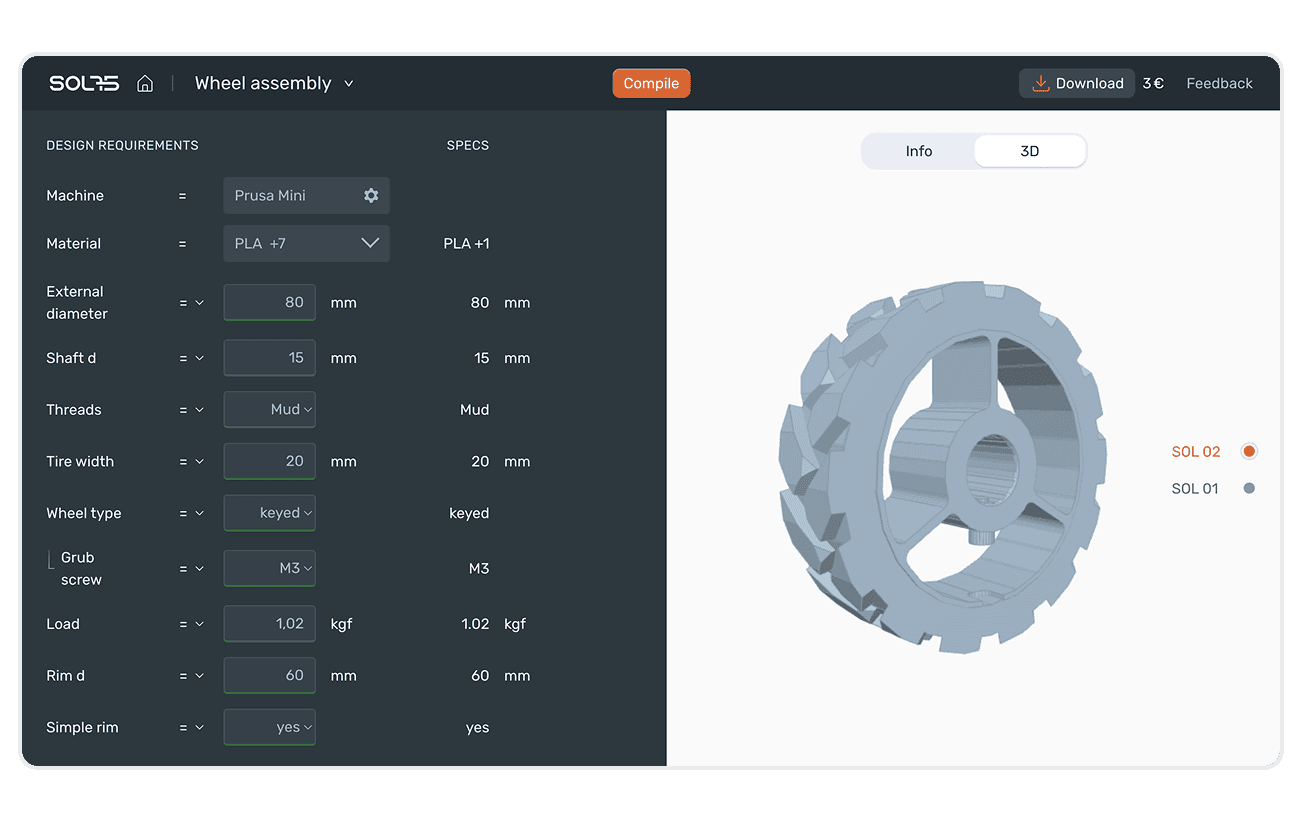
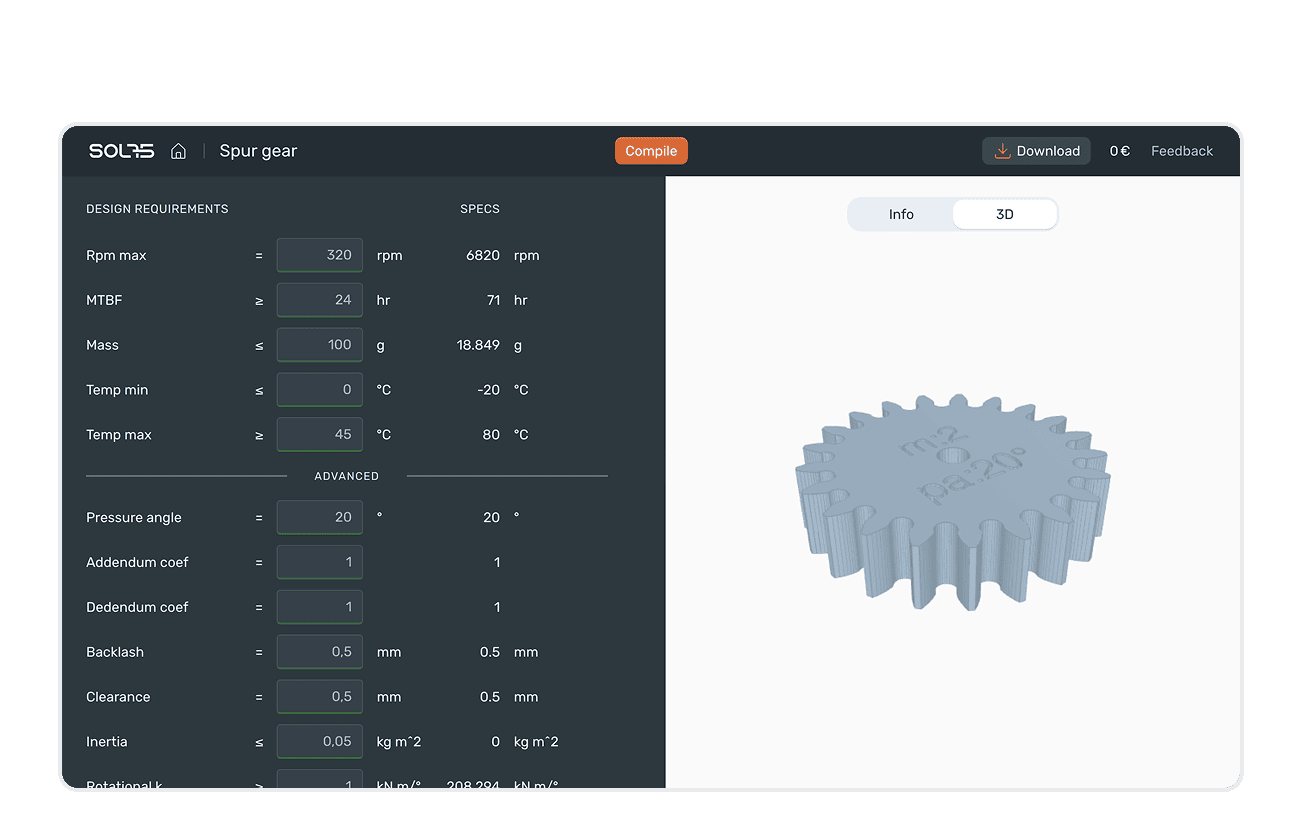
- My first 0→1 product: a web app for mechanical engineers and makers to generate fully-functional 3D-printable components — a gear customized by teeth count, material and torque, not just a shape to scale.
- Team
-
- 1 product designer (me)
- 1 developer
- My role
-
- UX/UI
- HTML and CSS
- Branding
- Content
Problem
Opportunity & goal
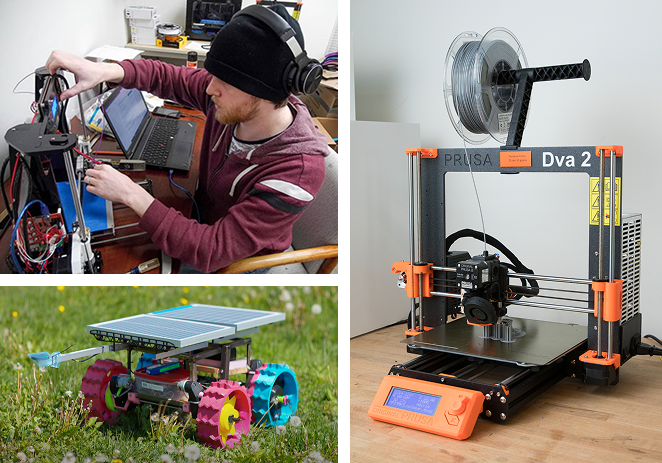
My partner, a 3D-printing enthusiast and software engineer, needed a way to quickly customize objects to 3D print while preserving their functionality. There wasn’t anything on the market that did quite this, so in March 2020 we decided to build the platform together, as a side project.
Our goals were to make something useful and intuitive, to open it up to 3D-printing communities, and to learn new skills while building it. My part covered UX/UI, front-end, branding and content creation.
Discovery
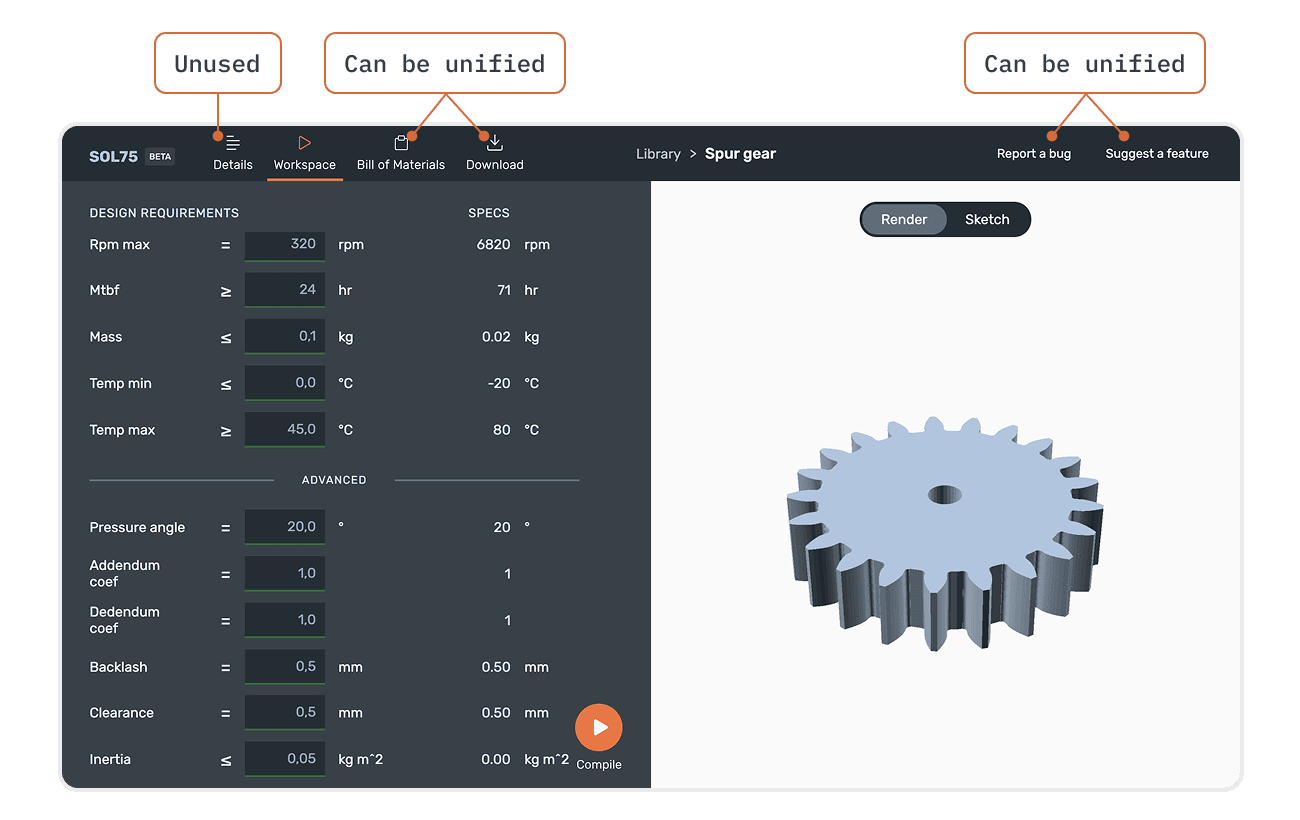
We started by defining scope, requirements and target users. SOL75 is made for engineers and makers who use a 3D printer in their DIY projects, and it addresses the need for mechanical components that are both functional and quickly customizable — a gear, for instance, customized by number of teeth, material, mass, thickness and more. We looked at existing products addressing similar needs, weighing their features, design and reviews.
MVP
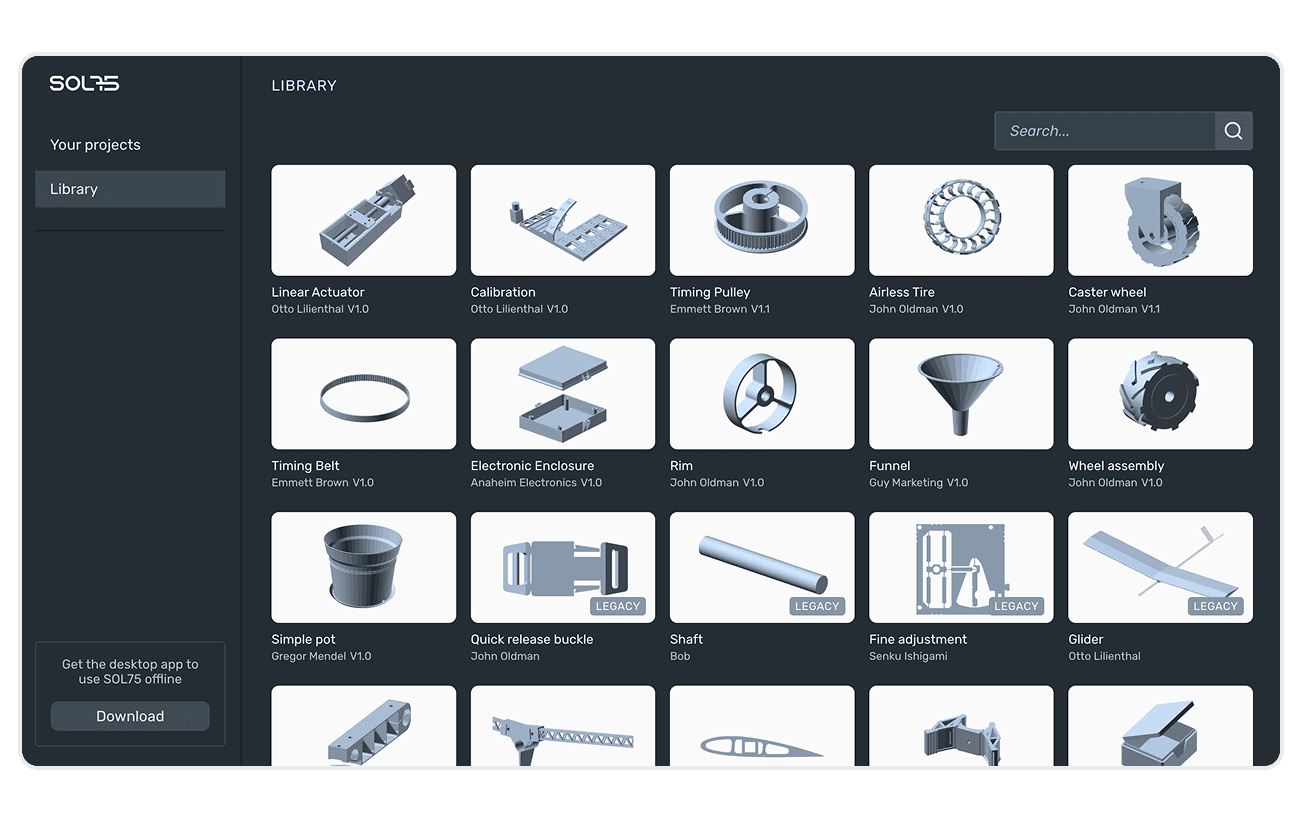
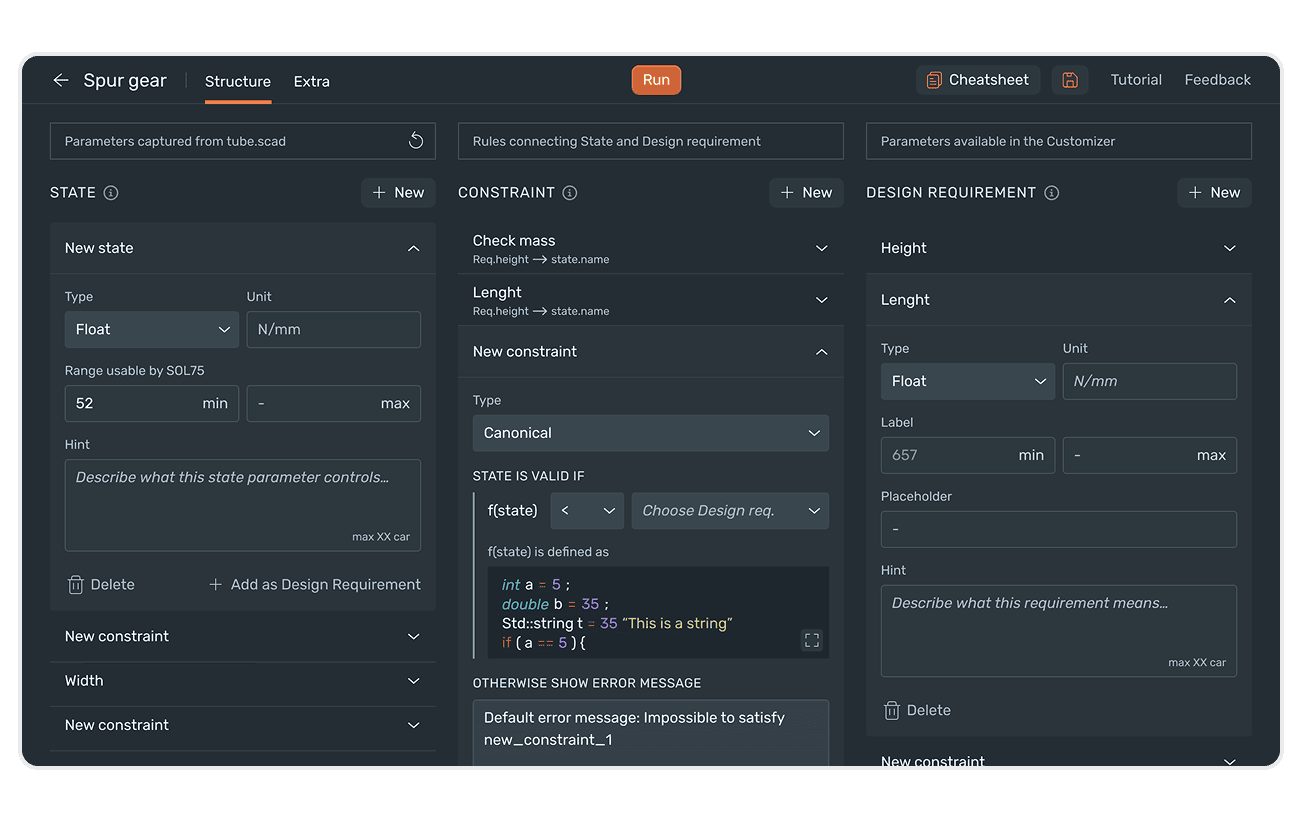
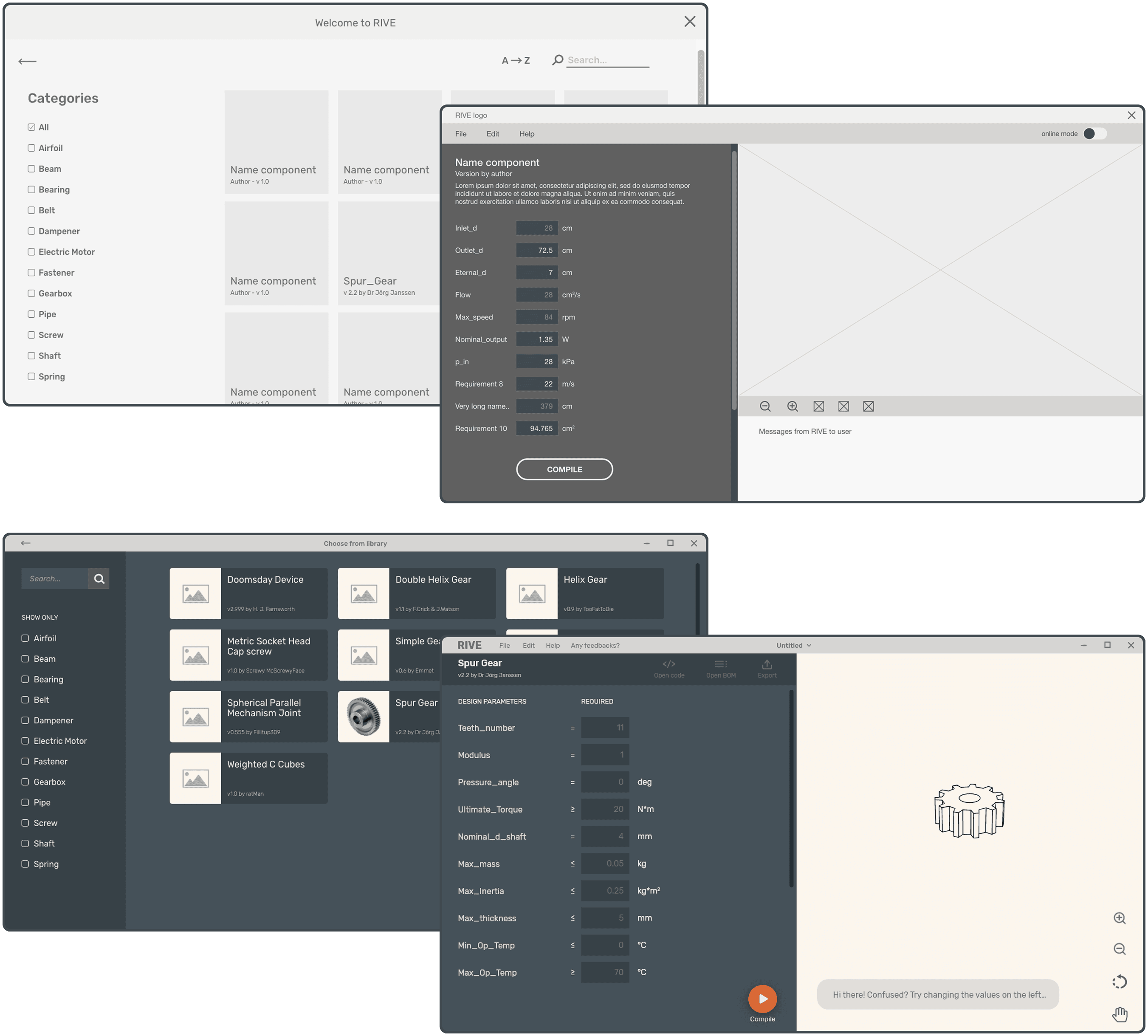
After mapping the main features and the desired user journey, we split the platform into two parts: a built-in library of components and a component page where the object can be customized and downloaded.
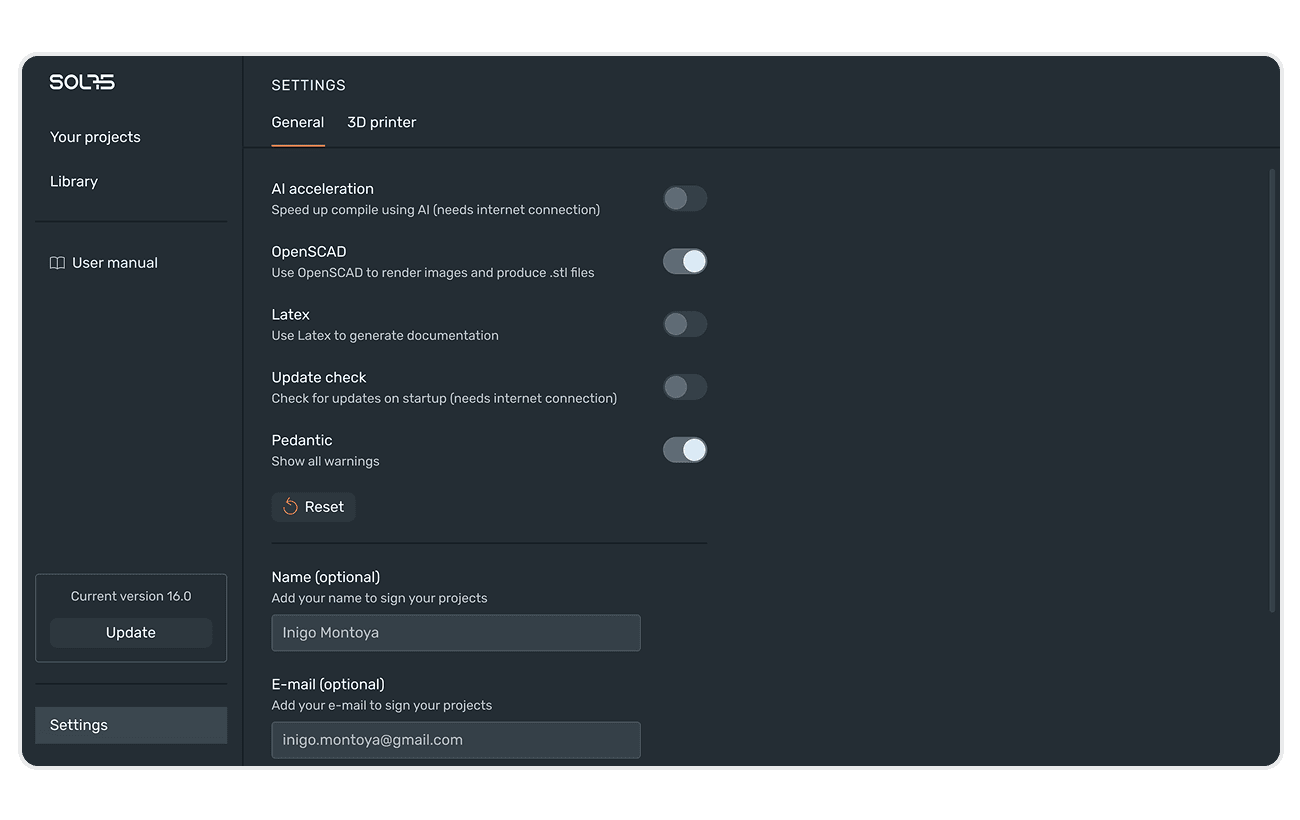
Since SOL75 was a new kind of product, we needed to prove the customization part was technically feasible before investing further, so the developer coded a first rough desktop prototype. We tested it with 9 people, watching how they used it and identifying the first recurring issues.
Iterations
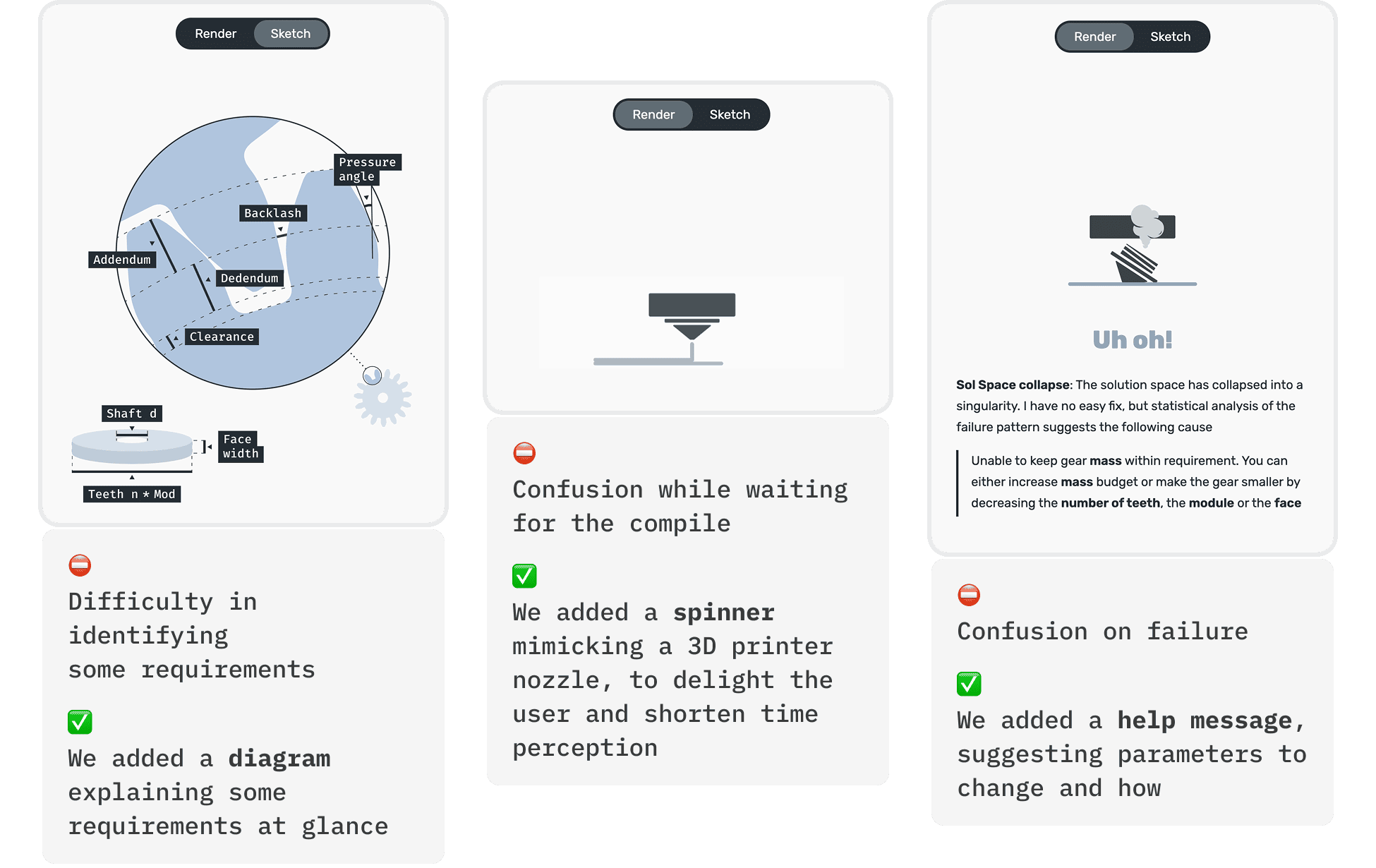
Over the following months we addressed the major issues from that first round and moved to a web-app version, faster to develop and update, and easier to test and distribute. We kept an agile approach throughout, running one or two usability tests a week for a few months (24 people in total) and fixing issues as they came up.
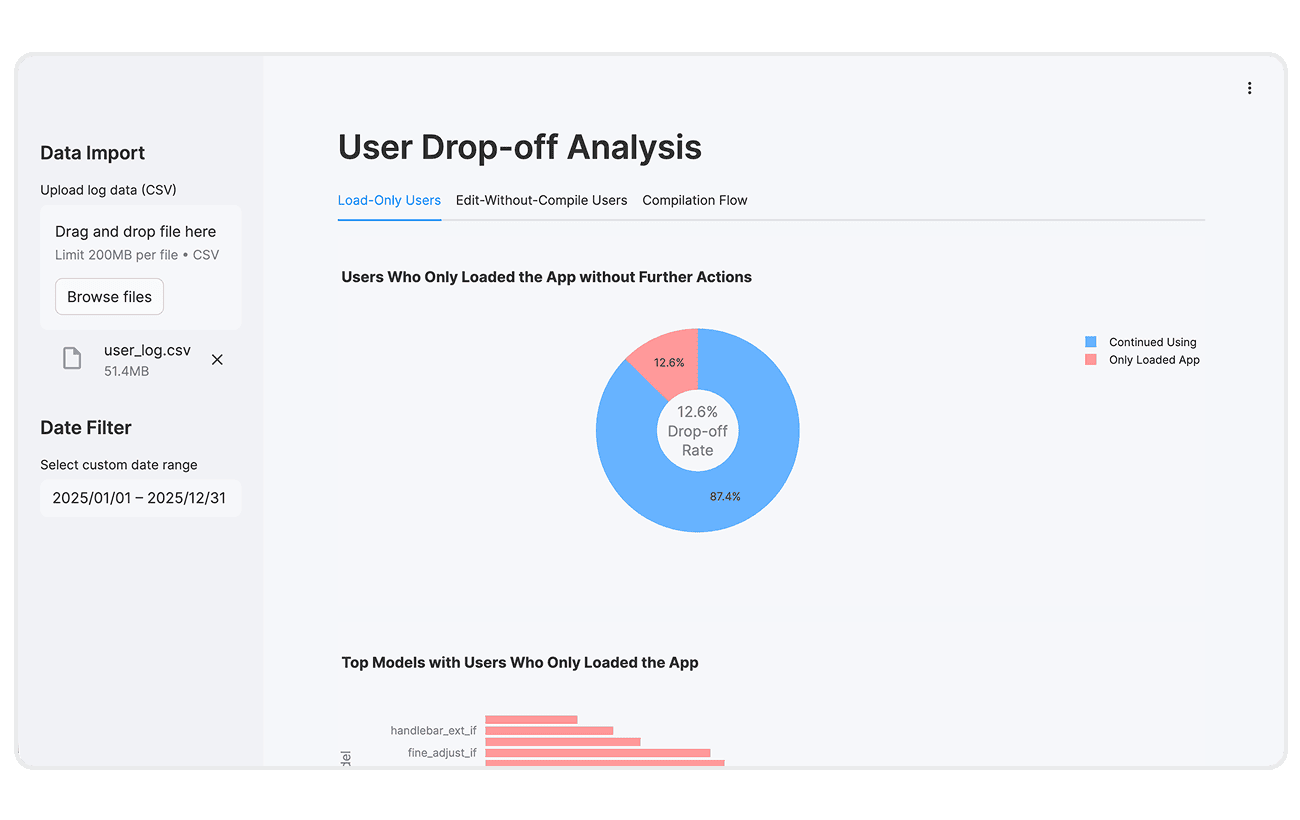
Later on at work I learned some basics of data analysis, so we set up analytics logging for SOL75 too. In 2024, when AI was getting better at coding, I used Replit to build a dashboard to visualize the data and make sense of what users were doing and how components were performing.
Distribution
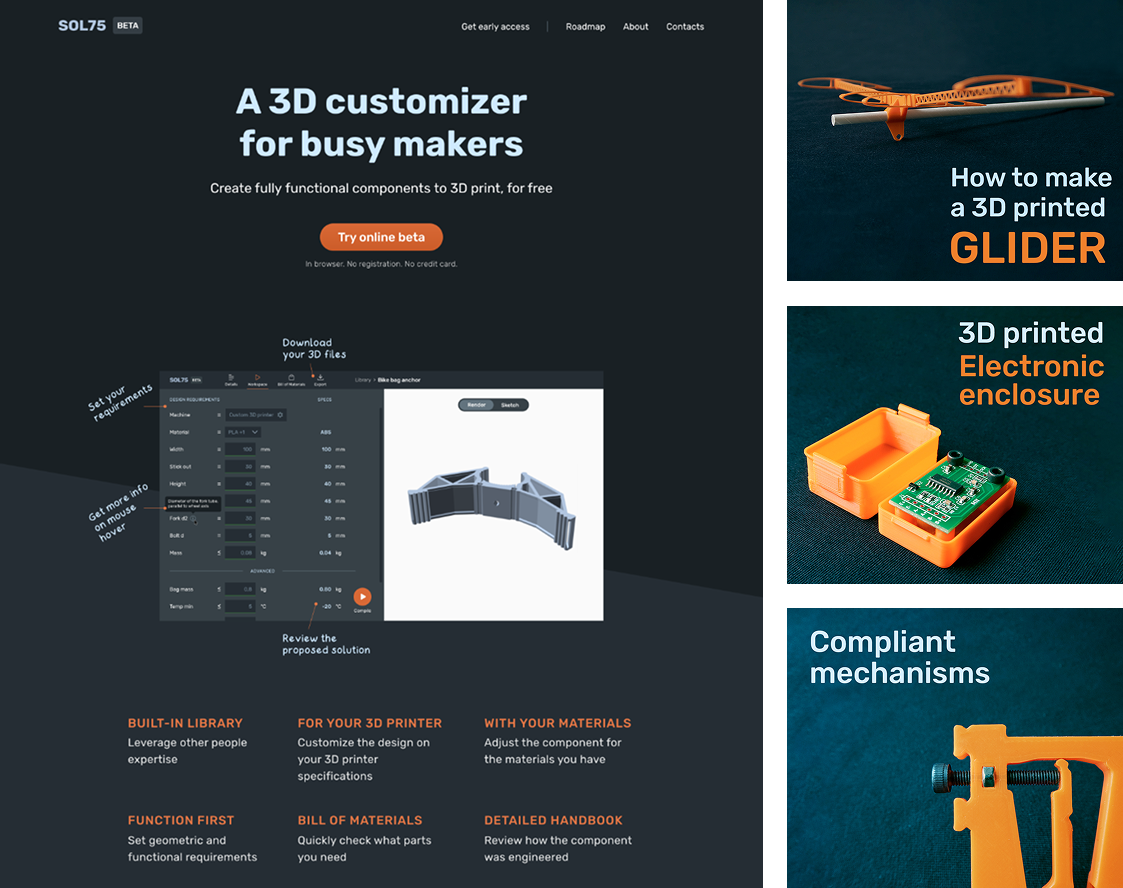
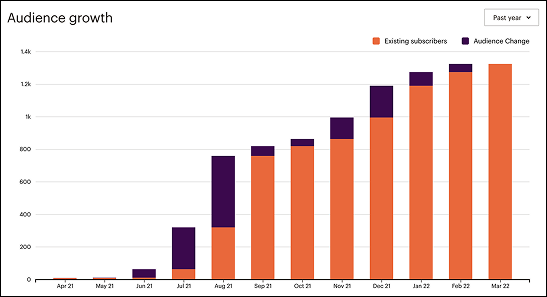
To gauge interest and be able to follow up, we created a landing page asking people to leave their email to try the product. We also opened a Discord channel and started producing content on relevant platforms (like Instructables) to reach potential users and build a community around the product.
Takeaways
SOL75 is the first product I’ve built from scratch. It forced me to learn new skills like project management, branding, copywriting, HTML and CSS, SEO, outreach and more. It gave me a concrete idea of the effort and pain of bootstrapping a new product.
It is still ongoing as my partner’s side project — he keeps adding components and pushing technical improvements. I’m not really involved these days, but it’s satisfying to see it still alive years later. There’s no email requirement anymore, so feel free to try it out.